
Past event
Foresight Peer Summit 2026 — Building the community that sustains the future
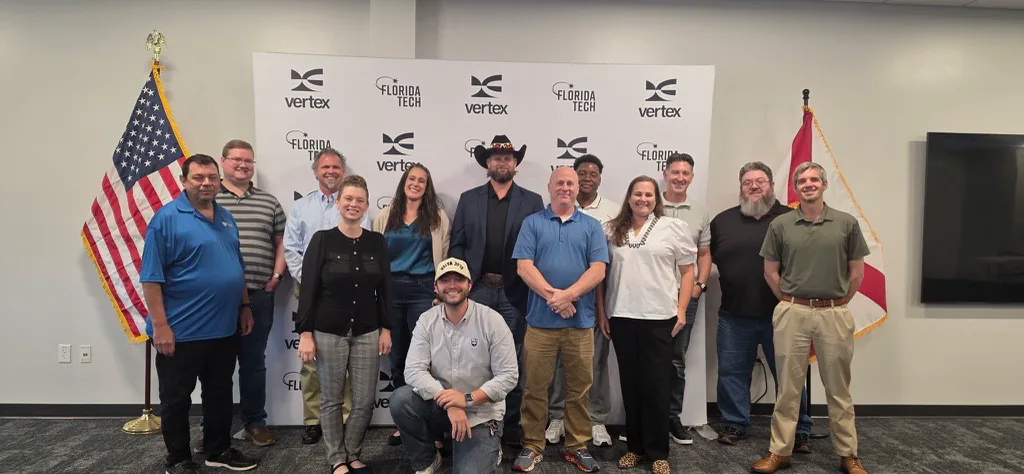
Sustaining critical systems depends on the people who recognize emerging risks, preserve hard-earned knowledge, and help their organizations act before options disappear. Developing those people—and connecting them with one another—was the purpose of the 2026 Foresight Peer Summit.
The Summit brought emerging practitioners and experienced leaders together for three days of professional training, candid discussion, and peer exchange. Classroom learning progressed into conversations about leadership, funding, supplier engagement, and the organizational work required to turn obsolescence management into a sustained capability.
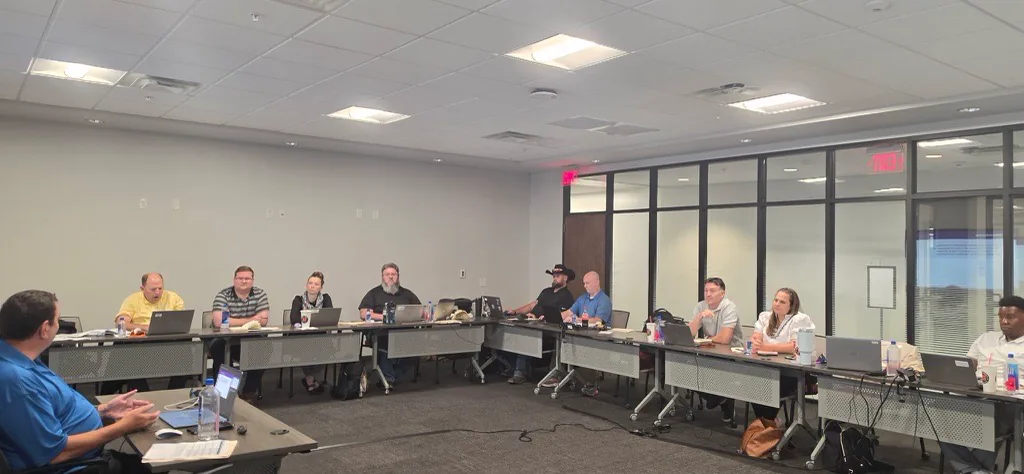
The significance of that experience reaches beyond the event itself. As experienced professionals prepare the next generation to assume greater responsibility, the profession needs opportunities to share the judgment behind decisions: how to ask better questions, navigate competing priorities, build internal support, and recognize when someone else's experience can help move a problem forward.
The Foresight Peer Summit created space for that exchange. Participants could examine challenges from different perspectives, connect lessons to their own responsibilities, and build relationships they can draw on as their work evolves.
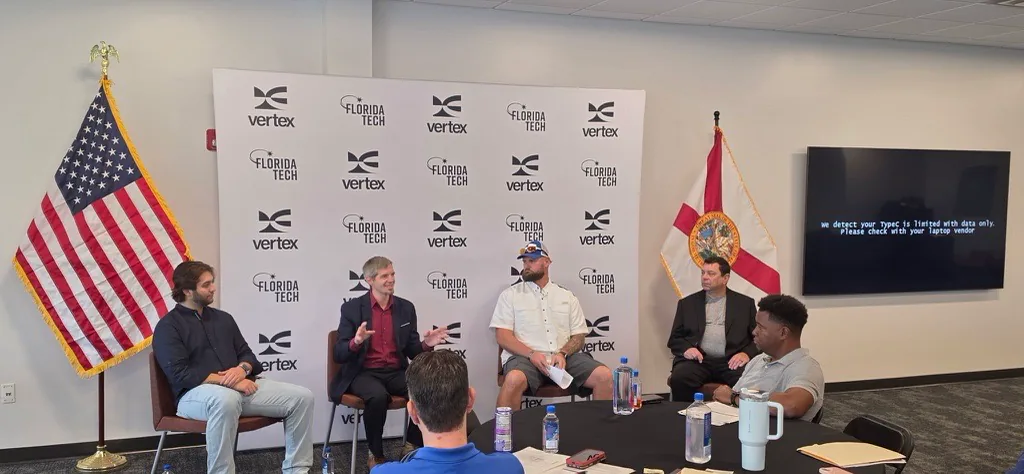
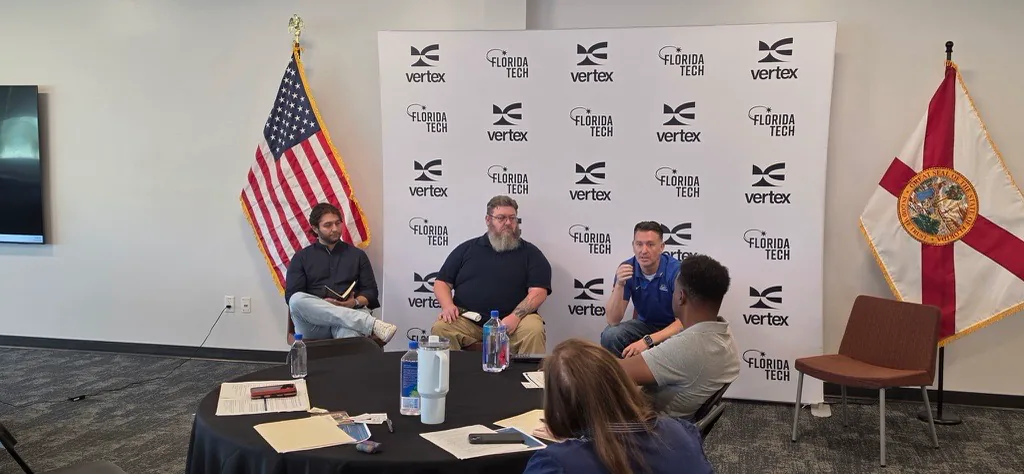
Several themes emerged from those conversations and the feedback that followed:
- Relationships are part of professional capability. Knowing whom to call can help a practitioner explore an unfamiliar issue, challenge an assumption, or find a path forward. Participants described the value of discovering peers who face similar challenges and are willing to help.
- Practical experience gives training greater depth. Real-world examples and open discussion helped connect formal learning with the decisions practitioners face inside their organizations. Hearing how others think through a problem was an important part of the learning experience.
- Sustainment decisions begin long before a shortage. Participants identified opportunities to bring obsolescence management into design reviews, technology refreshes, and early risk assessments. That perspective gives sustainment professionals a stronger role in shaping decisions throughout a system's life.
- Risk awareness must lead to action. Identifying an issue is one step. Progress also requires clear ownership, funding, contracting coordination, and an achievable mitigation approach. The discussions reinforced the importance of connecting these responsibilities and leveraging a RACI matrix to identify and communicate with key stakeholders.
- Practitioners need a voice inside their organizations. Building an obsolescence capability requires people who can explain its value, engage other functions, and make a credible case for resources. Developing that confidence is an important part of professional growth.
- Knowledge grows when people contribute it. The willingness to share experience, ask questions, and support newcomers provides the foundation for a lasting community of practice. Participants expressed interest in helping shape future Summits and contributing examples, templates, and lessons others can use.
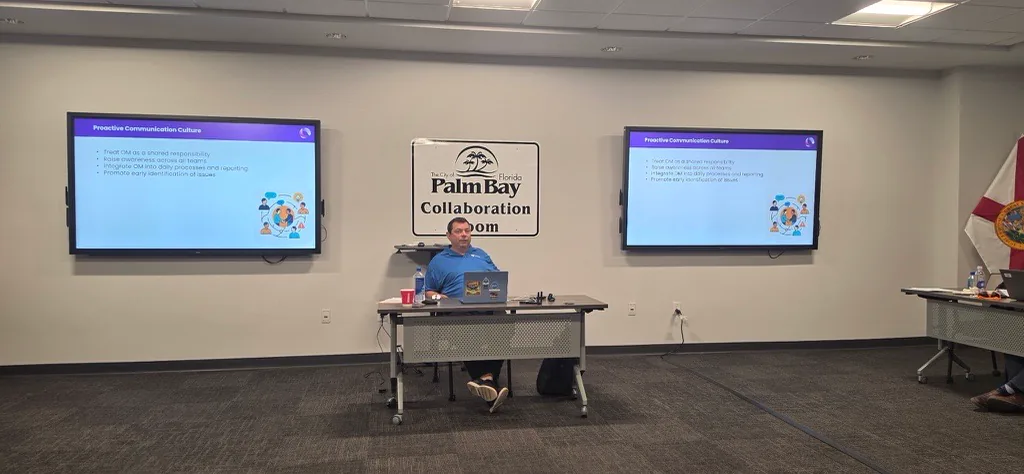
The after-action feedback supports the value of this approach. All survey respondents strongly agreed that the Summit was a valuable use of their time, that the peer format benefited their work, and that the event provided useful input for improving their organization's DMSMS and obsolescence approach. Every respondent reported making a connection they expect to continue. Five expressed interest in planning the next Summit, and four offered to share best practices, templates, or case studies.
These early signals give us a foundation to build on. The longer-term value will come as participants apply what they learned, maintain those relationships, and help others develop.
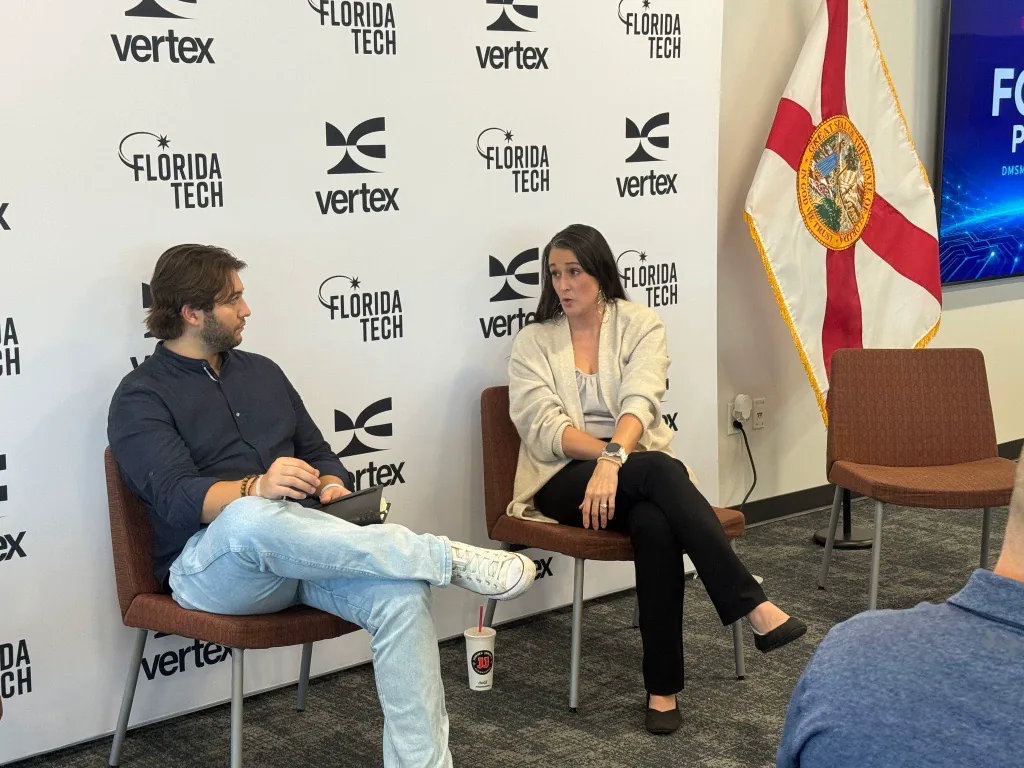
Looking ahead, our strategy is to keep the peer forum complimentary for all US IIOM members and invite recent trainees to return as mentors for incoming participants. With support from experienced practitioners, those returning members can reinforce their own learning while helping newcomers find their footing.
For Blue Water Components, this is central to shaping the future of sustainment operations: creating opportunities for people to learn, take responsibility, and pass their knowledge forward. We want each Summit to strengthen a community that continues working together throughout the year—and each class of learners to help prepare the next.